


Discover the essential first step to getting your TIE card Spain.
Avoid common mistakes and master the residency process here.
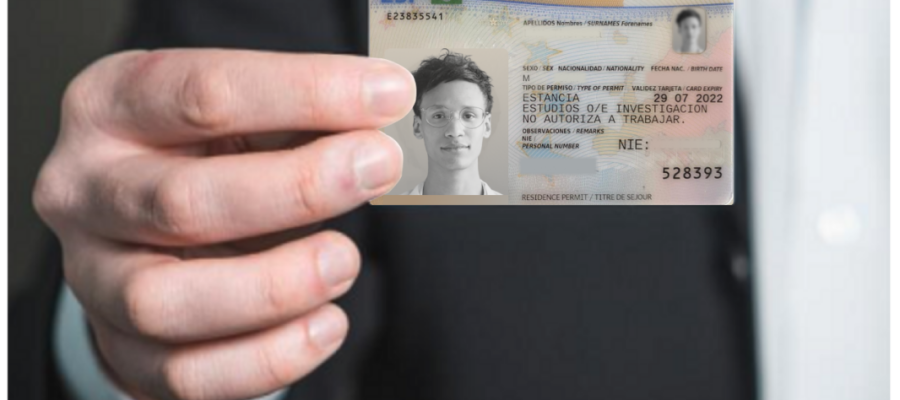
Moving to a new country is a breathtaking adventure, but it comes with a fair share of bureaucracy. If you are a non-EU citizen, the single most important document you need to secure is your TIE card Spain (Tarjeta de Identidad de Extranjero).
This biometric card is more than just plastic; it is your legal proof of residency, your key to opening a bank account, renting a long-term apartment, and traveling freely within the Schengen Area. Getting it right from the start is a life-changing relief for any expat.
The Essential First Step for Your TIE Card Spain
Before you even think about fingerprints, the absolute priority for your TIE card application Spain is securing the “Cita Previa” (official appointment).
In 2026, these slots are rarer than ever due to high demand. You must navigate the government’s online portal (Sede Electrónica) to book the specific appointment for “Policía-Toma de Huellas.” Pro Tip: Slots are often released at specific times during the week (usually Monday mornings). Without this digital confirmation, your residency journey cannot move forward. This is where most expats feel the most stress, but with patience and the right strategy, it is the first hurdle you will clear.
Essential Checklist for a Successful TIE Card Application Spain
To ensure your TIE card application Spain is a smooth success and not a bureaucratic headache, you must be meticulous with your paperwork. The Spanish police (Policía Nacional) are famous for their precision—one missing signature can mean starting the whole process over.
1. The Correct Forms
You must arrive at the station with the EX-17 form fully completed and signed. This form tells the government exactly what type of residency you have, whether it’s a Digital Nomad Visa, a Golden Visa, or a Non-Lucrative Visa.
2. The Tax Payment (Modelo 790-012)
This is a mind-blowing detail that many expats overlook. You must generate the Modelo 790-012 tax form online, print it, and take it to a physical bank to pay the fee (usually around €16-€22 depending on the year). The bank will stamp the form as proof of payment. Note: Most banks only allow these payments during specific hours (usually 9:00 AM to 11:00 AM).
3. Proof of Address (Empadronamiento)
You cannot get a TIE without being “on the map.” You need a recent Certificado de Empadronamiento (no older than 3 months) from your local Town Hall (Ayuntamiento). This proves where you are living and determines which police station handles your card.
4. Photos and Passport
Don’t forget your physical passport and a “Carnet” size photo. The photo must have a plain white background and be recent. In Spain, there are often photo booths near the police stations, but it’s always safer to have them ready in advanc
✅ TIE Card Application Checklist
Ensure you have all these documents ready for your appointment in 2026.
- ✔ Cita Previa Confirmation: A printed or digital copy of your appointment for "Toma de Huellas".
- ✔ EX-17 Application Form: Fully completed and signed (bring 2 copies to be safe).
- ✔ Valid Passport: Original passport and a full photocopy of the main page and your Spanish Visa.
- ✔ Model 790-012 Tax Form: Paid and stamped by the bank (or digital proof of payment).
- ✔ Empadronamiento: A fresh certificate of residency (no older than 3 months).
- ✔ ID Photograph: One recent "carnet" size photo with a plain white background.
- ✔ Approval Resolution: The favorable concession of your residency/visa.
Missing something? Don't risk your residency.
💬 Help me with my TIEWhat Happens During the Appointment?
Once you have secured your Cita Previa and gathered your documents, the actual appointment is surprisingly quick. The officer will verify your documents and then perform the biometric fingerprinting.
You won’t receive the card immediately. Instead, you will be given a “Resguardo”—a white piece of paper that serves as your temporary ID. Approximately 30 to 45 days later, you will need to return to the same station (sometimes with a second appointment) to pick up your physical TIE card.
When should I start my TIE card application Spain?
You should aim to book your appointment within the first 30 days of your arrival in Spain to stay compliant with immigration laws.
What is the most common mistake in the TIE card application Spain?
Most people forget that the “Padron” certificate must be less than 90 days old. An expired certificate will lead to an immediate rejection of your TIE card application Spain.
Feeling overwhelmed by Spanish bureaucracy?
Don’t let the paperwork ruin your Elite relocation experience. Whether you need help grabbing a ‘Cita Previa’ or checking your documents, we are here to guide you.